Wood Pressed Oils
 Coconut Oil
 Natural Honey
 Forest Honey

Introduction
In recent years, wood pressed oils have gained significant attention among health-conscious consumers and culinary enthusiasts. As the trend toward natural, minimally processed foods continues to grow, many people are asking whether wood pressed oils are a suitable choice for everyday cooking. This comprehensive guide explores the benefits, considerations, and best practices for using wood pressed oils in your daily kitchen.
What Are Wood Pressed Oils?
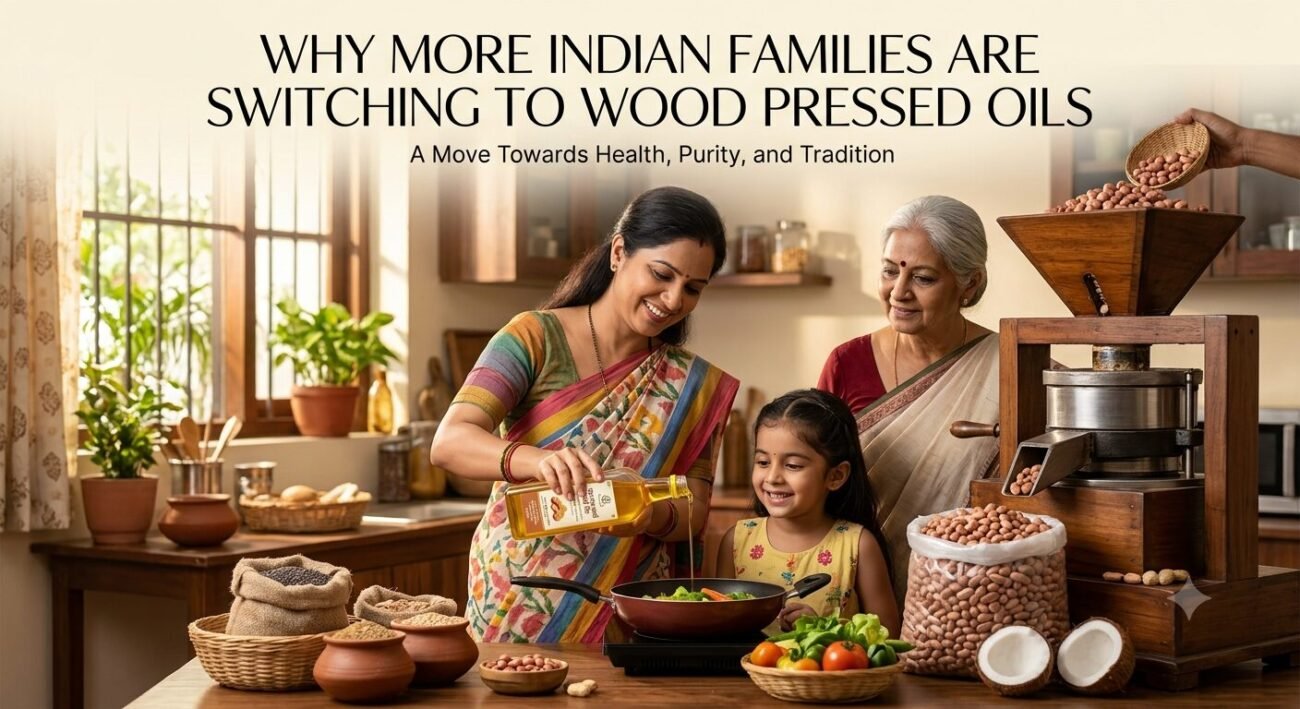
Wood pressed oils, also known as cold-pressed or traditional pressed oils, are extracted from seeds and nuts using mechanical pressure in wooden mills. Unlike modern solvent extraction methods that use chemicals, wood pressing relies on friction and mechanical force to extract oil from the source material.
The Extraction Process
The traditional wood pressing method involves:
- Grinding seeds or nuts into a paste
- Placing the paste in a wooden chamber
- Applying steady mechanical pressure over several hours
- Collecting the oil that naturally flows out
This low-temperature process preserves the oil’s natural properties, flavors, and nutritional content that might be lost in high-heat extraction methods.
Key Advantages of Wood Pressed Oils for Daily Cooking
1. Retention of Nutrients
Wood pressed oils maintain higher levels of natural antioxidants, vitamins, and minerals. Since no heat or chemicals are used during extraction, nutrients like vitamin E, lignans, and polyphenols remain intact. These compounds offer various health benefits including:
- Anti-inflammatory properties
- Heart health support
- Improved cholesterol profiles
- Enhanced immune function
2. Superior Flavor Profile
Because they’re extracted without solvents or excessive heat, wood pressed oils retain the distinctive flavors of their source ingredients. This makes them excellent for:
- Enhancing the taste of everyday meals
- Creating more flavorful dishes with less seasoning
- Adding depth to salads, dressings, and marinades
3. Minimal Processing
Wood pressed oils undergo minimal processing, meaning:
- No chemical residues
- No bleaching or deodorizing agents
- No synthetic additives
- Closer to the natural state of the source ingredient
4. Higher Smoke Point Variations
Contrary to common misconceptions, certain wood pressed oils have respectable smoke points suitable for cooking:
- Wood Pressed Sesame Oil: 410°F (210°C)
- Wood Pressed Coconut Oil: 350°F (177°C)
- Wood Pressed Groundnut Oil: 320-450°F (160-230°C)
- Wood Pressed Sunflower Oil: 440°F (227°C)
5. Environmental and Ethical Benefits
Wood pressing is often:
- More sustainable and eco-friendly
- Produced by small-scale farmers using traditional methods
- Free from industrial agricultural chemicals
- Supporting local economies and artisan producers
Wood Pressed Oils for Daily Cooking: Which Ones Are Best?
Best for High-Heat Cooking
Groundnut Oil (Peanut Oil)
- Neutral taste ideal for various dishes
- High smoke point (around 450°F)
- Rich in heart-healthy monounsaturated fats
- Suitable for sautéing, stir-frying, and shallow frying
Sunflower Oil
- Light, mild flavor
- High smoke point (around 440°F)
- Rich in vitamin E
- Versatile for everyday cooking needs
Best for Medium-Heat Cooking
Coconut Oil
- Smoke point around 350°F
- Natural antimicrobial properties
- Adds a subtle coconut flavor
- Great for baking and medium-heat sautéing
Sesame Oil
- Complex, nutty flavor
- Smoke point around 410°F
- High in antioxidants and minerals
- Perfect for Asian cuisines and dressings
Best for Low-Heat and Finishing
Mustard Oil
- Pungent, distinctive flavor
- Rich in omega-3 fatty acids
- Best used for seasoning and low-heat cooking
- Popular in Indian cuisine
Gingelly Oil (Sesame)
- Distinctive aroma and flavor
- Best reserved for dressings and finishing
- Rich nutrient profile
- Enhances dishes with its unique taste
Nutritional Benefits of Wood Pressed Oils
Wood pressed oils offer several nutritional advantages for daily consumption:
Rich in Antioxidants
- Higher levels of natural antioxidants compared to refined oils
- Help combat free radicals and oxidative stress
- Support cellular health and longevity
Balanced Fatty Acid Profile
- Maintain natural ratio of saturated and unsaturated fats
- Support cardiovascular health
- Aid in nutrient absorption
Presence of Bioactive Compounds
- Polyphenols for anti-inflammatory benefits
- Lignans for hormonal balance
- Phytosterols for cholesterol management
- Tocopherols (Vitamin E) for skin and immune health
Important Considerations for Daily Cooking
1. Storage and Shelf Life
Wood pressed oils are more susceptible to oxidation due to minimal processing:
- Store in cool, dark places away from direct sunlight
- Use airtight, preferably glass containers
- Keep away from heat sources
- Generally have a shorter shelf life than refined oils (3-6 months typically)
- Refrigerate after opening if not used frequently
2. Smoke Point Matters
While wood pressed oils have decent smoke points, it’s crucial to:
- Match the oil to your cooking method
- Avoid heating oils beyond their smoke point
- Use high smoke point oils for high-heat cooking
- Reserve low smoke point oils for finishing and dressings
3. Quality and Authenticity
The market for wood pressed oils has grown, making quality verification important:
- Purchase from reputable brands
- Look for cold-pressed certification
- Check for pure, single-ingredient products
- Avoid oils with added preservatives or chemicals
- Read labels carefully to verify authenticity
4. Cost Considerations
Wood pressed oils are typically more expensive than refined oils:
- Traditional production methods are labor-intensive
- Yield is lower than industrial extraction
- Premium pricing reflects quality and purity
- Budget accordingly for daily use
Can You Use Wood Pressed Oils for Daily Cooking?
Yes, with proper selection and usage. Here’s how to incorporate them into your daily cooking routine:
Daily Cooking Strategy
- For High-Heat Cooking: Use wood pressed groundnut or sunflower oil
- For Medium-Heat Cooking: Use wood pressed coconut or sesame oil
- For Low-Heat and Finishing: Use specialty wood pressed oils like mustard or gingelly oil
- For Salad Dressings: Any wood pressed oil works wonderfully
Practical Tips
- Rotate oils to get diverse nutrient profiles
- Store properly to maintain freshness and nutritional quality
- Use appropriate amounts as you would any oil
- Monitor temperature while cooking to avoid overheating
- Combine with refined oils if budget is a concern, using wood pressed oils for finishing
Wood Pressed vs. Other Cooking Oils: A Comparison
| Factor | Wood Pressed | Refined | Extra Virgin |
|---|---|---|---|
| Processing | Mechanical only | Chemical/Heat | Minimal |
| Nutrients | High | Low | High |
| Flavor | Strong | Neutral | Strong |
| Smoke Point | Moderate to High | High | Low to Moderate |
| Cost | High | Low | High |
| Shelf Life | Shorter | Longer | Moderate |
| Suitability | Daily cooking (selected types) | High-heat cooking | Finishing/Dressing |
Potential Drawbacks and How to Address Them
1. Higher Price Point
- Solution: Use as a primary oil for salads/finishing, combine with refined oils for cooking
2. Shorter Shelf Life
- Solution: Buy smaller quantities, store properly, use within recommended timeframe
3. Limited Availability
- Solution: Purchase from online retailers specializing in natural oils, build relationships with local suppliers
4. Risk of Adulteration
- Solution: Buy from certified producers, check for authenticity seals, research brands thoroughly
Health Benefits Summary
Using wood pressed oils in your daily cooking can contribute to:
- Better heart health through beneficial fatty acids and antioxidants
- Reduced inflammation from polyphenols and other bioactive compounds
- Improved digestion with oils rich in essential nutrients
- Enhanced nutrient absorption of fat-soluble vitamins
- Better overall wellness through minimally processed, natural food choices
Expert Recommendations for Daily Use
Nutrition and wellness experts generally recommend:
- Using wood pressed oils selectively based on smoke point and cooking method
- Combining different oils to maximize nutritional benefits
- Prioritizing quality over quantity by choosing authentic, certified products
- Storing oils correctly to preserve their nutritional value
- Listening to your body and adjusting based on personal health needs
Conclusion
Wood pressed oils can absolutely be good for daily cooking when used appropriately. They offer superior nutritional profiles, authentic flavors, and the satisfaction of using minimally processed foods. While they require more careful handling regarding storage and cooking temperature, and come with a higher price tag, the health benefits and culinary advantages make them a worthwhile addition to your kitchen.
The key to success is:
- Choose the right oil for the right cooking method
- Store them properly to maintain quality
- Purchase from reputable sources
- Use them as part of a balanced approach to cooking oils
- Don’t hesitate to combine them with other oils for practical, budget-conscious cooking
For health-conscious home cooks seeking to improve their daily nutrition without compromising on taste, wood pressed oils represent an excellent investment in your family’s wellness and culinary experience.
Ready to Make the Switch?
If you’re considering incorporating wood pressed oils into your daily cooking, start with one or two types that match your cooking style. Experiment with different oils, notice the difference in flavor and how your body responds, and gradually build a collection that works for your kitchen and budget.
Your journey toward healthier, more flavorful cooking starts with understanding your ingredients—and wood pressed oils are certainly worth understanding well.
Disclaimer: This article is for informational purposes only and should not be considered medical advice. Always consult with a healthcare provider or nutritionist for personalized dietary recommendations, especially if you have specific health conditions or allergies.